Small Choices Lasting Impact
“Our Power, Our Planet” is Earth Day 2026’s theme. A powerful statement, but what exactly do they mean?
Each of us most likely have a different interpretation of what it means. At Shepherd’s Dream we see it as a reminder that no matter what is happening in the world, we still hold power as individuals to make meaningful decisions that help protect and preserve our planet. We see it as small choices that add up to make a large and lasting impact.
If you’re here reading this, chances are you care deeply about the future of the environment just as we do. Our planet faces many obvious challenges, but one of the largest threats is mostly unseen.
The Hidden Impact of Plastics
By now most people recognize plastic pollution is a global issue but microplastics in particular are a much sneakier problem than most of us realize. Microplastics have been a hot topic and are a very fast growing concern in recent years, for VERY good reasons. The U.S. Environmental Protection Agency (EPA) defines microplastics as plastic particles ranging in size from 5 millimeters (about the size of a pencil eraser) down to 1 nanometer. To put that into perspective, one strand of human hair is approximately 80,000 nanometers wide.
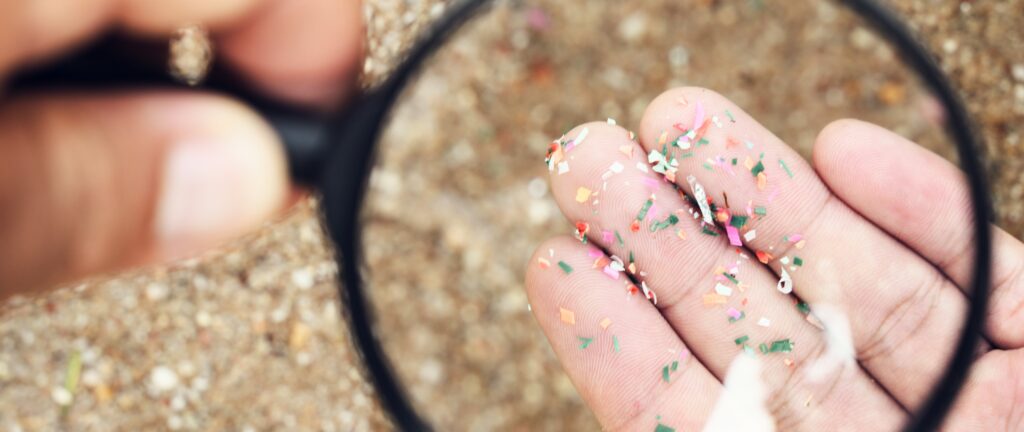
Despite their tiny size, their impact is anything but small. It’s estimated that 22,046 to 88,185 pounds of microplastics are released into the environment each year. That number is projected to double by 2040.
These numbers are large and it can feel overwhelming on where to start. It’s easy to wonder if anything you do will actually help. Can one individual actually make a difference? For many people, myself included, that feeling can lead to inaction. In the age of social media it’s easy to feel the pressure to make the “perfect” or most impactful choice. I’m here to tell you that meaningful change doesn’t come from perfection, it comes from consistent, thoughtful actions and decisions. In fact, one of the biggest and easiest ways to reduce your impact, (and improve your personal health and well being) is much closer than you think.
Clothing, Bedding, and Microplastics
At first glance clothing and microplastics aren’t really connected in any meaningful way. In reality though, synthetic textiles are the largest source of microplastics pollution in the world, accounting for approximately 35% of the total volume.
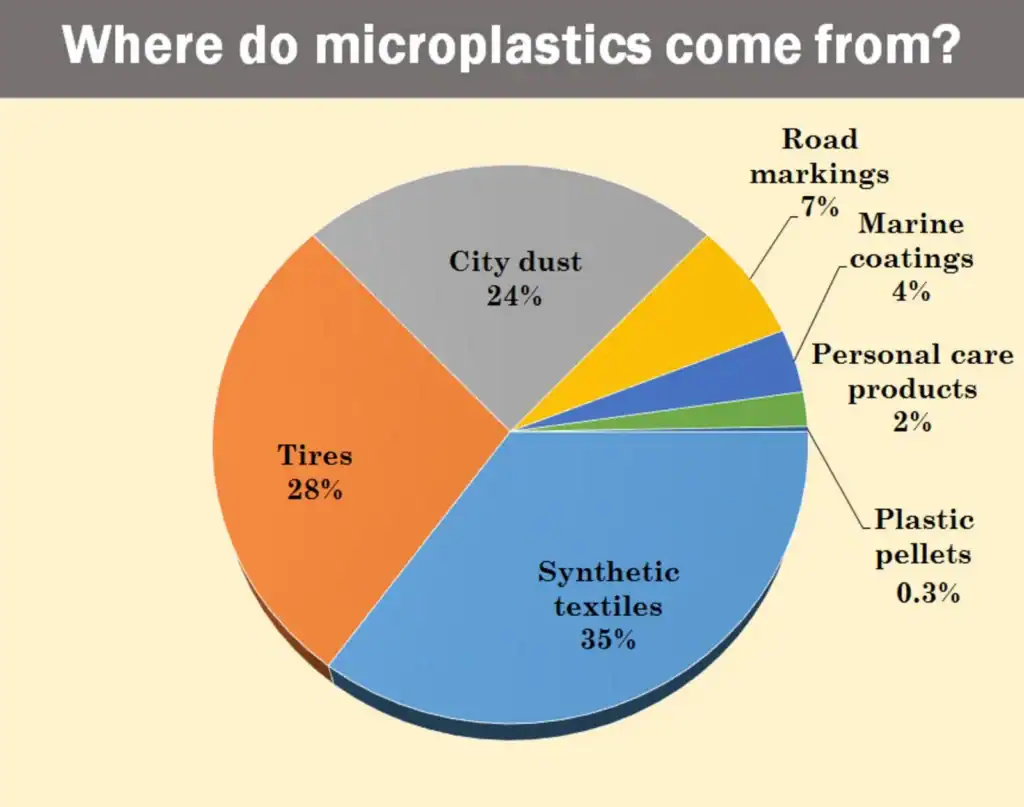
Synthetic materials like polyester, nylon, and acrylic make up about 60% of modern textiles because they are cheap to produce. The physical abrasion and chemicals created from washing these synthetic fabrics causes them to shed microscopic fibers. From there, plumbing sends the polluted water from the washing machine to a wastewater treatment plant. These microfibers are too small for the plant to filter, so they are discharged with treated wastewater. The fibers of course find their way to the rivers and oceans.
From there they persist in the environment… indefinitely.
Because bedding uses the same materials as clothing and is used nightly and washed regularly, it’s a significant and often overlooked contributor to microplastics. A traditional queen sized polyester comforter weighs 5-6 lbs. Polyester takes 200+ years to break down and even then it’s not totally gone. It’s just small enough we can’t track it anymore. At Shepherd’s Dream all of our products, including our All Season Comforter, are made from wool and organic cotton which are biodegradable and will break down in just a few years.
Why Microplastics Matter
Microplastics travel through waterways and collect in ecosystems all around the world. They affect everything from microscopic algae to fish, sea turtles, birds, and beyond.
Many of us are aware that ocean animals get entangled and trapped in plastic grocery bags, six pack rings, fishing gear, etc. Their troubles with plastic doesn’t end with the external dangers, though. Microplastics are a major concern because they are so easily ingested. When marine life absorbs microplastics by eating them they can experience health problems. Problems like an abrasion to their digestive tract which can lead to internal damage, digestive blockages, and exposure to toxic chemicals. Microplastics also act like sponges, other pollutants in water collect on the surface of the microplastics so when animals ingest it they’re also ingesting those toxic chemicals. Over time these toxic substances move up the food chain, eventually reaching humans. Scientists have estimated that adults ingest the equivalent of one credit card per week in microplastics.

While research into the effects of microplastics on human health is still evolving, early findings are pretty concerning. Studies suggest links to inflammation, immune system disruption, internal tissue damage, and metabolic changes. Emerging research also points to potential impacts on reproductive, digestive, and respiratory health.
What Can We Do?
The good news is that reducing your exposure and contribution to microplastics can start with very simple choices you make every day anyways.
- Choose bedding made from natural materials like wool or organic cotton
- Wear clothing made from natural fibers like wool or organic cotton
- Reduce reliance on plastic, especially single use items
- Avoid nonstick and plastic cookware when possible
- Opt for products packaged in glass instead of plastic
Even small swaps like changing from body wash in a plastic bottle to bar soaps adds up over time.
Progress Over Perfection
Every decision we make has an impact. That can feel like a heavy responsibility, but it can also be empowering if we let it! If each of us makes even one small, more thoughtful choice each day, the collective effect is significant.
“Our Power, Our Planet” isn’t about doing everything perfectly. It’s about recognizing that our everyday actions matter, and choosing again and again, to use our power for good.