How a wool blanket exemplifies regenerative principles
In recent years, sustainability has become a guiding principle for consumers who want to make choices that are better for their health, their communities, and the planet. But sustainability doesn’t just mean “doing less harm”—it can mean actively improving the world around us. That’s where regenerative agriculture comes in. This forward-looking approach to farming and ranching not only protects natural resources but also restores and strengthens them for future generations. Wool—especially when thoughtfully sourced—is at the center of this exciting movement.

What Is Regenerative Agriculture?
Regenerative agriculture is a holistic approach to land management that goes beyond sustainability. Instead of simply minimizing damage, it focuses on rebuilding and revitalizing ecosystems.
Core practices include:
- Rotational grazing that allows pastures to rest and recover.
- Planting cover crops to improve soil fertility and reduce erosion.
- Minimizing chemical inputs to encourage healthier soil biology.
- Promoting biodiversity to create resilient landscapes.
Healthy soils enriched through regenerative practices hold more water and nutrients, reduce carbon emissions by storing carbon in the ground, and support stronger ecosystems for wildlife, livestock, and people. The result? A more resilient environment that benefits everyone.
“Regenerative” emerged as a new way of describing a more holistic approach to agricultural practices, particularly for farmers who were going beyond the regulated organic designation, but it didn’t take long for the unregulated word to be misused. Greenwashing is very alive and well, despite efforts from the Federal Trade Commission, who oversees such cases. Certifying body Textile Exchange recently released a guide to help manufacturers and retailers make credible claims regarding the term regenerative. So we still have to be discerning consumers even when we see the regenerative label.
Why We Use EcoWool®
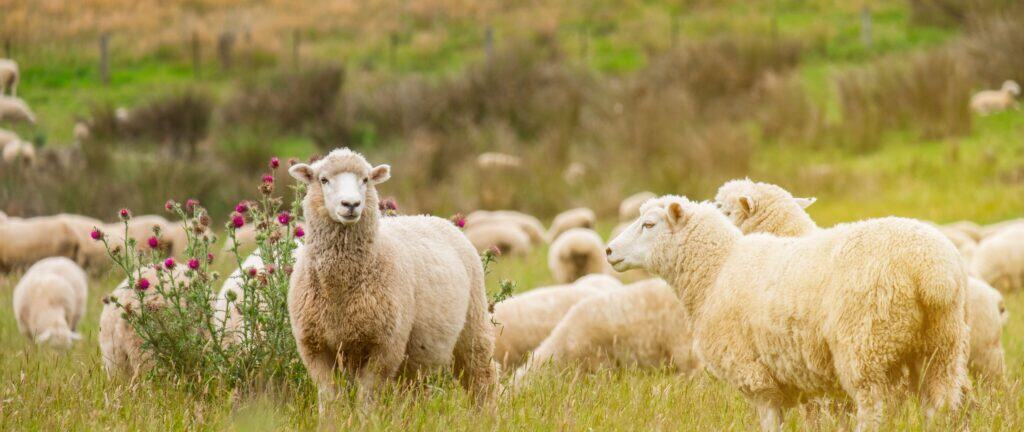
EcoWool® was developed precisely along regenerative lines before that word made it to market. Most of our products are made with EcoWool, reflecting our deep commitment to these principles. EcoWool is sourced from American ranchers who uphold the highest standards in land stewardship, animal welfare, and work ethic.
By supporting ranchers who practice sustainable grazing and eco-friendly management, EcoWool directly connects bedding products with regenerative agriculture. This program also strengthens local supply chains, reduces reliance on overseas production, and offers transparency you can trust. When you choose EcoWool, you’re choosing products that nurture both the land and the people who care for it. But luckily, it’s not the only domestic wool program out there making a difference…
Jeanne Carver and Shaniko Wool Company
One of the brightest lights in regenerative ranching is Jeanne Carver, founder of the Shaniko Wool Company in Oregon. Carver has become a pioneer in proving that wool production can both honor tradition and embrace innovation.
Shaniko Wool Company was the first in the US to be certified under the Responsible Wool Standard (RWS) by Textile Exchange—a globally recognized certification that ensures animal welfare, responsible land management, and supply chain transparency. Beyond that, Carver also led Shaniko to earn the groundbreaking NATIVE Regen certification, which recognizes ranches for their regenerative practices, carbon footprint measurement, and social responsibility.
These certifications aren’t just labels—they’re proof that wool can be a regenerative force, from the soil beneath our feet to the blankets on our beds.

Our All-American Made Merino Wool Blanket
We’re proud to share that our Merino Wool Blanket is now entirely American made, thanks to Shaniko Wool Company. From growing the wool itself to the yarn spinning to the weaving to the stitching, every step takes place here in the U.S.—a rarity in today’s textile market.
Why is this so special? Merino wool is prized around the world for its softness, breathability, and natural temperature regulation, but most Merino products are sourced or processed overseas. Finding a Merino blanket that’s fully grown, spun, and woven in America is exceptionally difficult.
Our new Merino wool blanket offers:
- Luxurious comfort—soft enough for sensitive skin.
- All-season versatility—warm in winter, cool in summer.
- Durability and odor-resistance—a natural choice for healthy sleep.
By choosing this blanket, you’re supporting American ranchers, regenerative agriculture, and the revival of domestic textile traditions. Wrap yourself in a true American legend!
Conclusion
Regenerative agriculture is about more than farming—it’s about healing the land, strengthening communities, and creating a sustainable future. Through our EcoWool program, our partnerships with pioneers like Jeanne Carver, and the launch of our new and improved all-American Merino Wool Blanket, we’re proud to be part of this movement.
When you bring these products into your home, you’re not just investing in your own comfort—you’re investing in a healthier planet.
Thanks so much for joining us today! If you’re looking for more earth-friendly, wool-loving content, we’ve got you covered:
- Made in the USA, and Why It Matters
- From Sheep to Sleep: All About EcoWool®
- From Tradition to Textile: Navajo-Churro Sheep and the Diné Way of Life
Be sure to give us a follow on Instagram, and sign up for our Ewe’s Letter below if you’re not already a Dream Team insider. Until we see you again—sweet dreams!